

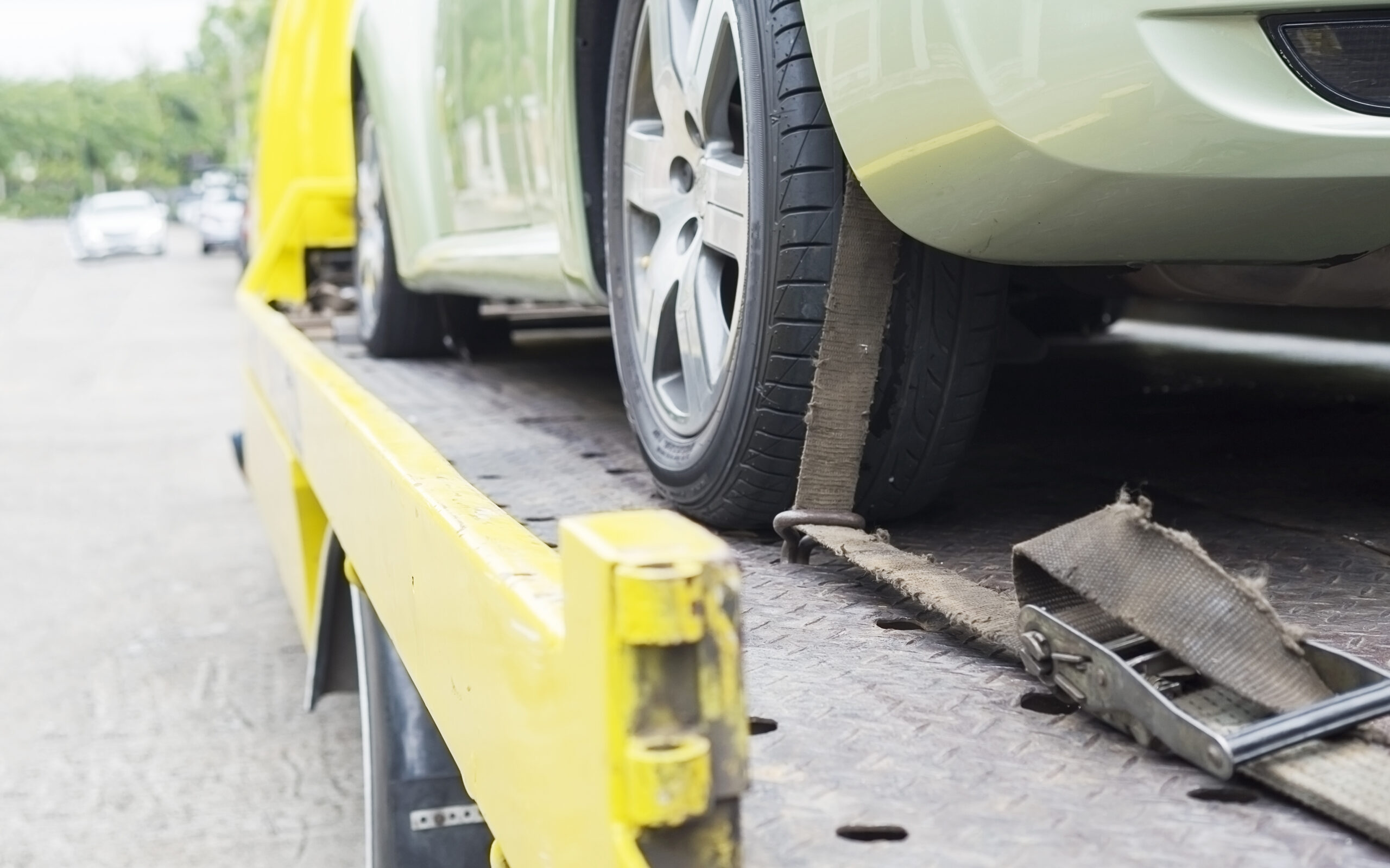
If you plan to tow a trailer in South Africa, you must understand the Road Legal Trailer Requirements in South Africa before you hit the road. Following the correct rules keeps you safe, protects other road users, and helps you avoid fines or penalties. Many trailer owners overlook important details like weight limits, braking systems, and lighting standards. These details matter because law enforcement officers strictly apply trailer laws South Africa across provinces.
At Trailer Sales, we help individuals and businesses choose the right trailer for their needs while ensuring full trailer compliance. Whether you need a utility trailer, car trailer, or custom solution, we guide you through legal requirements so you can tow with confidence anywhere in South Africa.
Understanding Road Legal Trailer Requirements in South Africa
The National Road Traffic Act governs trailer laws South Africa. This legislation sets clear standards for design, construction, registration, and operation of trailers. If your trailer does not meet these legal standards, authorities can fine you, impound your trailer, or even prohibit you from using it on public roads.
You must ensure your trailer meets these core legal criteria:
- Proper registration and licensing
- Roadworthy certification
- Approved braking system
- Functional lighting and reflectors
- Correct tyre specifications
- Secure coupling and safety chain
- Clearly displayed number plate
When you buy from a reputable supplier like Trailer Sales, you reduce the risk of non compliance. Quality manufacturers design trailers to align with current towing regulations SA and safety standards.
Trailer Classification and Weight Limits
Weight plays a central role in Road Legal Trailer Requirements in South Africa. Authorities classify trailers based on their Gross Vehicle Mass, GVM.
Here are the main categories:
| Trailer Type | Gross Vehicle Mass | Brake Requirement |
| Light Trailer | Up to 750 kg | Brakes not mandatory |
| Medium Trailer | 750 kg to 3,500 kg | Braking system required |
| Heavy Trailer | Over 3,500 kg | Advanced braking system required |
If your trailer exceeds 750 kg GVM, you must install a proper braking system. This requirement supports towing regulations SA and improves control during sudden stops.
You must also ensure your towing vehicle can legally and safely tow the trailer’s weight. The vehicle manufacturer specifies the maximum towing capacity. Exceeding this limit violates trailer laws South Africa and increases accident risks.
Trailer Registration and Licensing
Many people ask whether trailers need registration in South Africa. The answer is yes. All trailers must undergo registration and licensing through your local registering authority.
You must:
- Register the trailer in your name.
- Obtain a license disc.
- Display the license disc on the trailer.
- Attach a number plate that matches the towing vehicle.
Trailer compliance includes keeping your license disc up to date. If it expires, traffic officers can issue fines. You must also notify authorities when ownership changes.
When you purchase a trailer service from Us, we ensure you receive all necessary documentation. Proper paperwork simplifies registration and ensures you comply with Road Legal Trailer Requirements in South Africa.
Roadworthy Certificate Requirements
A roadworthy certificate proves that your trailer meets safety standards. Authorities often require this certificate when:
- Registering a newly built trailer
- Transferring ownership
- Re-registering a previously deregistered trailer
Inspectors examine key safety components, including:
- Brakes
- Tyres
- Lights
- Reflectors
- Coupling mechanism
- Structural integrity
If your trailer fails inspection, you must fix the issues before using it legally. Trailer compliance depends on maintaining these safety standards at all times.
Braking System Regulations
Braking systems form a critical part of towing regulations SA. As mentioned earlier, trailers over 750 kg GVM require brakes.
Common braking systems include:
- Overrun brake systems
- Hydraulic brakes
- Air brakes for heavy trailers
The braking system must operate efficiently and engage automatically when the towing vehicle slows down. Authorities may test brake effectiveness during inspections.
If you ignore braking rules, you risk severe penalties. You also increase stopping distance and compromise road safety. Following Road Legal Trailer Requirements in South Africa ensures smooth braking performance under all conditions.
Lighting and Reflector Requirements
Proper lighting enhances visibility, especially at night or during poor weather conditions. Trailer laws South Africa require trailers to have:
- Tail lights
- Brake lights
- Indicator lights
- Number plate light
- Red reflectors at the rear
- Amber reflectors on the sides for larger trailers
All lights must function correctly and connect securely to the towing vehicle. Damaged or non functional lights violate trailer compliance standards.
Before every trip, you should test your trailer lights. This simple habit prevents roadside penalties and improves safety.
Tyres and Wheels
Tyres directly affect road safety and stability. Road Legal Trailer Requirements in South Africa specify that trailer tyres must:
- Have sufficient tread depth
- Be free from visible damage
- Match the load capacity
- Be properly inflated
Using worn or under rated tyres increases blowout risk. Blowouts can cause trailer sway or loss of control. Always choose tyres designed specifically for trailers, not passenger vehicles.
Regular inspections help maintain compliance with towing regulations SA and ensure long term reliability.
Coupling Mechanism and Safety Chains
The coupling mechanism connects your trailer to the towing vehicle. Authorities require a secure, approved coupling device that matches the trailer’s weight class.
You must also install a safety chain or cable. This secondary attachment keeps the trailer connected if the primary coupling fails.
Check the following before each journey:
- Coupling lock securely engaged
- Safety chain properly attached
- No excessive wear or rust
Trailer compliance depends on the integrity of this connection system. A faulty coupling can lead to catastrophic accidents.
Load Securing and Overloading Rules
Even if your trailer meets all design standards, improper loading can still violate trailer laws South Africa.
You must:
- Distribute weight evenly
- Secure cargo with straps or nets
- Avoid exceeding maximum load capacity
- Ensure the load does not obscure lights or number plates
Overloading remains one of the most common causes of trailer accidents. It also breaches towing regulations SA and may invalidate insurance coverage.
Responsible loading protects your trailer structure and keeps you within Road Legal Trailer Requirements in South Africa.
Number Plate and Identification Requirements
Your trailer must display a number plate that corresponds with the towing vehicle. The plate must remain clearly visible and properly illuminated at night.
In addition, trailers must display a manufacturer identification plate. This plate typically shows:
- VIN number
- Manufacturer details
- GVM rating
Authorities use this information during inspections to confirm trailer compliance.
Insurance Considerations
Although the law may not always mandate separate trailer insurance, many insurers require you to declare your trailer. Some policies include limited trailer coverage under your vehicle insurance.
You should:
- Confirm coverage with your insurer
- Declare trailer value
- Check coverage for theft and damage
Compliance with Road Legal Trailer Requirements in South Africa strengthens insurance claims. Non compliant trailers may result in claim rejection.
Why Buying from a Trusted Supplier Matters
When you buy from an experienced supplier like Trailer Sales, you reduce the risk of legal complications. Reputable suppliers understand trailer laws South Africa and build products according to national standards.
Quality construction, proper documentation, and compliance support simplify your ownership experience.
Instead of modifying a non compliant trailer later, you can start with a legally sound solution.
Penalties for Non Compliance
Authorities take towing regulations SA seriously. Penalties may include:
- On the spot fines
- Vehicle impoundment
- License demerit points
- Insurance claim rejection
Severe negligence can also result in criminal liability if your non compliant trailer causes an accident.
You avoid these consequences by understanding and applying Road Legal Trailer Requirements in South Africa.
Maintaining Long Term Trailer Compliance
Trailer compliance does not end after registration. You must maintain your trailer regularly.
Follow this checklist:
- Inspect brakes and cables
- Check tyre pressure monthly
- Test lights before every trip
- Lubricate moving parts
- Tighten bolts and fasteners
- Keep license disc current
Regular maintenance ensures your trailer stays road legal and safe for years to come.
FAQs
What makes a trailer road legal in SA?
A trailer becomes road legal when it meets all Road Legal Trailer Requirements in South Africa, including registration, brakes, lighting, and load compliance. It must also pass roadworthy checks and follow trailer laws South Africa at all times.
Do trailers need license discs?
Yes, all registered trailers require a valid license disc displayed on the trailer. This forms part of trailer compliance under towing regulations SA.
Are brakes required on trailers?
Brakes are required on trailers with a GVM exceeding 750 kg. This rule supports safe stopping distances under trailer laws South Africa.
Conclusion
Understanding Road Legal Trailer Requirements in South Africa protects you from fines, accidents, and unnecessary stress. By following trailer laws South Africa, respecting towing regulations SA, and maintaining proper trailer compliance, you ensure safe and lawful travel on public roads.
When you choose a trusted supplier like Trailer Sales, you gain access to trailers designed with South African regulations in mind. Stay compliant, maintain your equipment, and tow responsibly across South Africa.